

Load rating determines or verifies the rated capacity of equipment, a structure, or a system for defined loading conditions and intended use. Capacity certification provides engineering documentation of the assessed capacity, including applicable conditions and limitations.

|
User Need |
Best-Fit Service |
|
Certify or test a product |
|
|
Determine the capacity of equipment or a structure |
Load Rating & Capacity Certification |
|
Model stress, strain, or deflection |
|
|
Design or modify equipment or a structure |
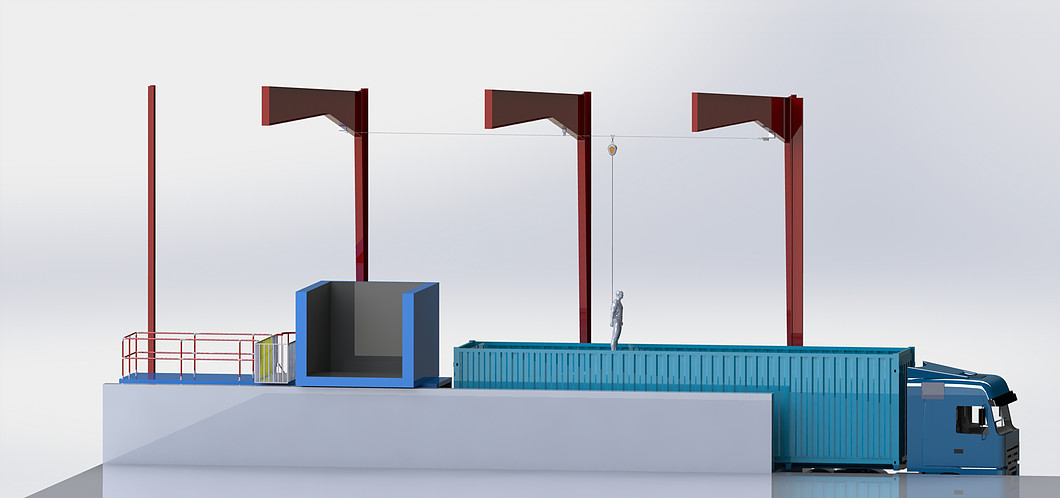

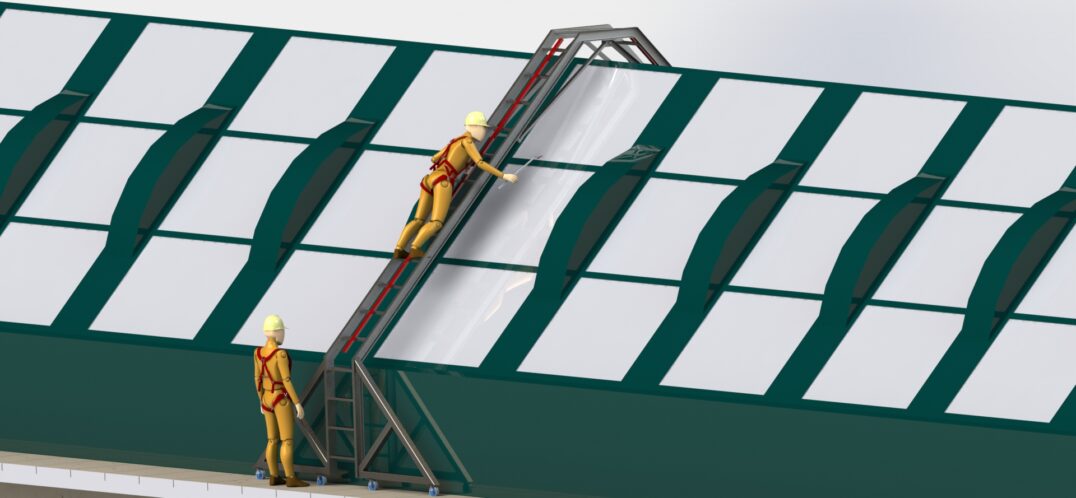
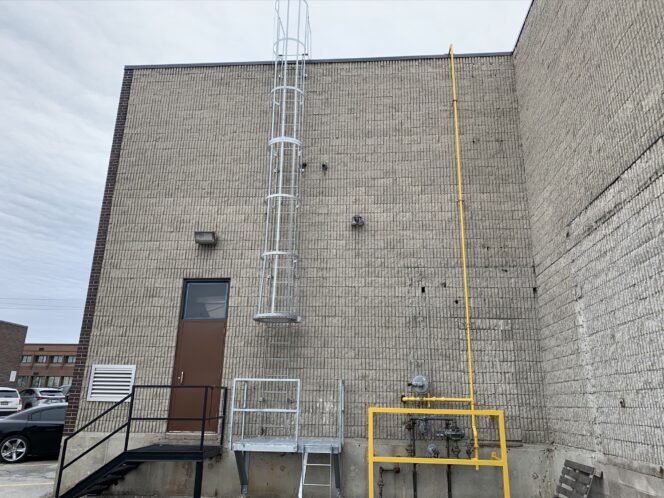
HITE can provide engineering assessment and documentation where capacity verification or rating is required. HITE also provides engineering support for cranes and elevating work platforms and lifting device PSR/PHSR requirements.

HITE provides the applicable engineering documentation and, where needed, recommendations or structural and mechanical design support.



The method depends on the equipment or structure being assessed, its intended use, available documentation, materials, geometry, condition, and loading requirements.
An engineering assessment may include review of drawings, dimensions and material information, inspection, engineering calculations, FEA, or load testing requirements where applicable.
HITE determines the appropriate assessment approach after reviewing the available project information.
Not every initial review requires a site visit. Whether an inspection is required depends on the equipment, available drawings and documentation, existing condition, modifications, and information needed to complete the engineering assessment.
Where existing documentation is incomplete or site conditions need to be verified, an inspection may be required.
HITE can provide engineering assessment and capacity certification support for custom equipment where the equipment, loading conditions, materials, fabrication details, and other information required for the assessment can be appropriately evaluated.
The exact scope depends on the equipment and applicable engineering requirements.
Where the assessment results in a final engineering report, drawing or other engineering document, the applicable final documents are signed, dated and sealed by the responsible licensed Professional Engineer in accordance with Ontario professional engineering requirements.
Finite element analysis may be appropriate when the equipment or structure has complex geometry, loading, connections, or stress conditions that require more detailed analysis.
Not every load rating requires FEA. HITE determines the appropriate analysis method based on the equipment and assessment requirements.
The timeline depends on the complexity of the equipment or structure, available documentation, whether an inspection is required, the engineering analysis involved, and whether additional information, testing, or modifications are needed.
Providing photos, drawings, dimensions, material information, required capacity, and project timelines at the start can help HITE assess the scope and expected schedule.